
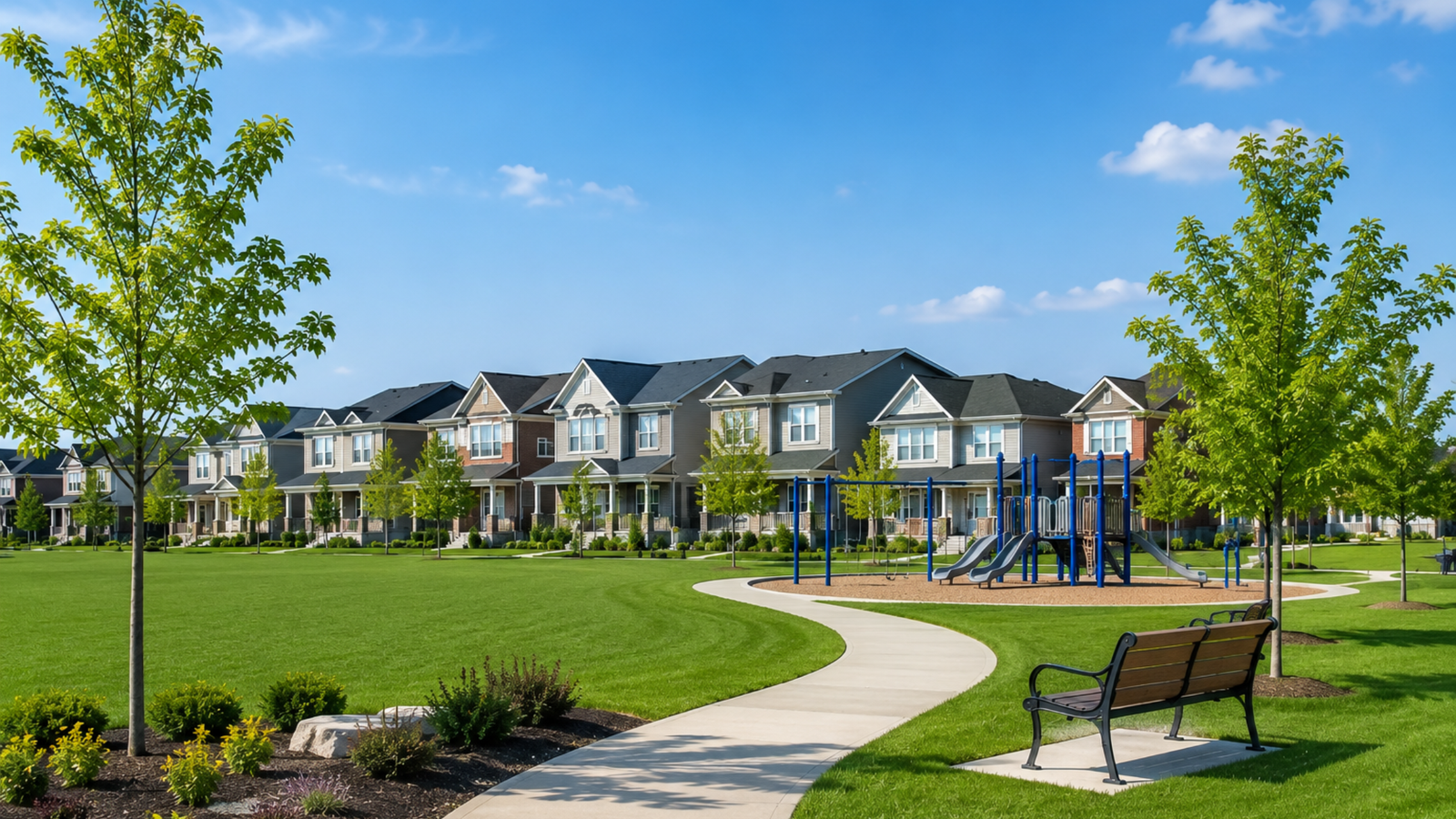
A new home can change where you live, but the surrounding community changes how you live. Your daily experience is shaped by more than bedrooms or kitchen design. Roads, parks, schools, shops, healthcare, recreation and transportation all influence how easily you move through the day.
That is why many buyers now examine the wider neighbourhood before making a decision. The strongest Residential Community Benefits come from places where homes and everyday needs are planned together. A thoughtful community can shorten routine journeys, create more opportunities to spend time outdoors and support changing lifestyles.
What Makes a New Residential Community Different?
A new residential community is more than a collection of recently built homes. It is designed with consideration for how residents will travel, relax, shop, work and connect.
Instead of treating housing, roads and amenities as separate features, community planning brings them into one broader vision. Homes may be supported by connected streets, parks, schools, retail areas and regional transportation.
The result is a neighbourhood that serves residents beyond the front door. You are not only choosing a property. You are choosing the environment that will shape your routines for years.
Everyday Essentials Become Easier to Reach
Convenience is one of the clearest advantages of a well-located community. When shops, schools, healthcare and recreation are nearby, you can spend less time travelling between basic tasks.
A shorter school run, a nearby grocery store or a park within easy reach may save only a few minutes at a time, but those minutes add up during a busy week.
Useful neighbourhood features may include:
- Grocery stores and everyday shopping
- Schools and childcare services
- Medical clinics and pharmacies
- Restaurants and community services
- Parks, trails and recreation facilities
- Connections to highways and public transit
Not every amenity needs to be within walking distance. What matters is whether the location makes the places you use regularly practical to reach.
Green Spaces Support Health and Connection
Parks, walking trails and open spaces add more than visual appeal. They create places where residents can exercise, relax and spend time with family without planning a long journey.
Shared areas also help neighbours become familiar with one another. People may meet while walking a dog, taking children to a playground or enjoying an evening outdoors. Over time, these small interactions can create a stronger sense of belonging.
A neighbourhood that balances residential development with green space can offer modern convenience without disconnecting residents from the outdoors.
Better Connectivity Gives You More Flexibility
A convenient community should work both locally and regionally. Nearby services support daily life, while transportation links help residents reach workplaces, education, entertainment and neighbouring cities.
When comparing locations, consider access to major roads, public transit, busy-hour travel times and whether there is more than one practical route into and out of the area.
Good connectivity gives households more options when employment, school or family commitments change. It can also make it easier to remain in the same community as your lifestyle and travel requirements evolve.
Municipal Planning Shapes Future Convenience
The neighbourhood you see today may look different several years from now. New homes bring more residents, increasing the need for roads, parks, schools and public services. Buyers should therefore review how the municipality plans to manage growth.
The Town of Whitby Official Plan sets policy directions for land use and long-term development across the municipality. It supports decisions involving subdivisions, zoning and other planning matters that influence how communities function as they grow.
Reviewing municipal plans can help you understand which nearby features already exist, which are proposed and how the wider area may evolve. It cannot predict every change, but it provides a more reliable source than promotional descriptions alone.
Homes Designed Around Changing Needs
A home that suits you today should also offer flexibility for tomorrow. Household needs can change through remote work, growing families, multigenerational living or changing mobility requirements.
Modern townhomes often use space efficiently through open living areas, practical storage and flexible rooms. A bedroom may later become an office, nursery, study area or guest room.
This adaptability is one of the important Residential Community Benefits because the home and neighbourhood can continue supporting you through different stages of life. Nearby schools may become more important later, while transit, healthcare and recreation remain useful at almost any age.
How WestHaven Supports Community-Focused Living
WestHaven is a new townhome community by Andrin Homes near Country Lane and Taunton Road in North Whitby. The location combines suburban living with access to established shopping, dining, education, recreation and transportation options.
For buyers exploring a country lane whitby house, the wider appeal comes from more than home design. The surrounding area can support daily errands, outdoor activities and regional travel.
The community also offers access to local recreation facilities, major highways and Whitby GO Station, helping residents remain connected to both nearby amenities and destinations across the Greater Toronto Area.
This setting reflects what many modern buyers seek: a comfortable home within a neighbourhood connected to useful services and planned with future needs in mind.
Community Spaces Improve Everyday Living
A neighbourhood can feel more welcoming when it offers places where people can gather naturally. Community centres, parks, trails and recreational facilities give residents options beyond staying inside their homes.
These spaces can support fitness, hobbies, family activities and social connections. They may also help new residents feel part of the neighbourhood more quickly.
For families, nearby recreation can make weekends and evenings easier to organise. For professionals and older residents, accessible community spaces provide opportunities to remain active and involved.
What Should You Check Before Buying?
Marketing materials can introduce a community, but your own research should guide the decision. Visit the area at different times and consider how it fits your actual routine.
Check:
- Which amenities are open now and which are planned
- Distance to schools, shopping and healthcare
- Traffic and travel times during your commute
- Access to parks, trails and recreation
- Municipal plans for surrounding land
- The builder’s licence and history
- Whether the home can adapt to future needs
Separate confirmed features from proposed ones. A future park, road or retail space may improve the community, but its timing can change.
You should also consider whether the neighbourhood supports your needs beyond the first few years. A location that works for commuting today should ideally remain practical if your job, family or lifestyle changes.
Choose a Community That Makes Life Easier
The value of a new home is experienced every day. It is found in how easily you reach essential services, how comfortably you travel, whether you can enjoy nearby green space and how well the neighbourhood supports your changing needs.
Understanding Residential Community Benefits helps you compare more than finishes and floor plans. It encourages you to consider the complete lifestyle available around the property.
West Haven Whitby gives buyers the opportunity to explore modern townhome living in North Whitby within an area supported by amenities, transportation and long-term municipal planning. By evaluating both the home and the wider community, you can choose a place that brings greater convenience today and remains practical for years ahead.